

NFPA 99 (2024 Edition) Lands Hard on High-Altitude Hospitals: Wet-Location and Category 1 Documentation Requirements
NFPA 99, the Health Care Facilities Code, uses a risk-based Category system and addresses medical gas and vacuum systems, electrical systems, and isolated power in wet procedure locations. Successive editions periodically adjust verification intervals, testing obligations, and documentation expectations, and CMS ultimately determines which edition applies to participating facilities.
New Mexico adds a wrinkle: high-altitude sites in and around Santa Fe, Taos, and Los Alamos deal with real physics. Reduced barometric pressure can affect the calibration and performance of some respiratory and gas-measurement equipment — anesthesia machines, ventilators, and pulse oximetry among them — so following manufacturer guidance for altitude is part of good maintenance regardless of any code change.
The sound response to a new edition is to reconcile PM templates and intervals against the version the facility's authority having jurisdiction actually enforces. Because specific requirements and effective dates change, they should be verified against the current NFPA 99 text rather than taken as fixed.
First, the housekeeping: the edition in force is NFPA 99 (2024). NFPA revises on roughly a three-year cycle, and the 2024 edition brought changes including a reference to ASSE/IAPMO/ANSI 6060 for medical gas system designer qualifications, revised maximum allowable quantity limits for medical gas and cryogenic central supply systems, reworked requirements for auxiliary connections to support emergency preparedness and maintenance, and new pressure-drop calculations and limits. Which edition binds a given New Mexico facility still depends on what CMS has adopted and what the authority having jurisdiction enforces — check the citation before rewriting the checklist.
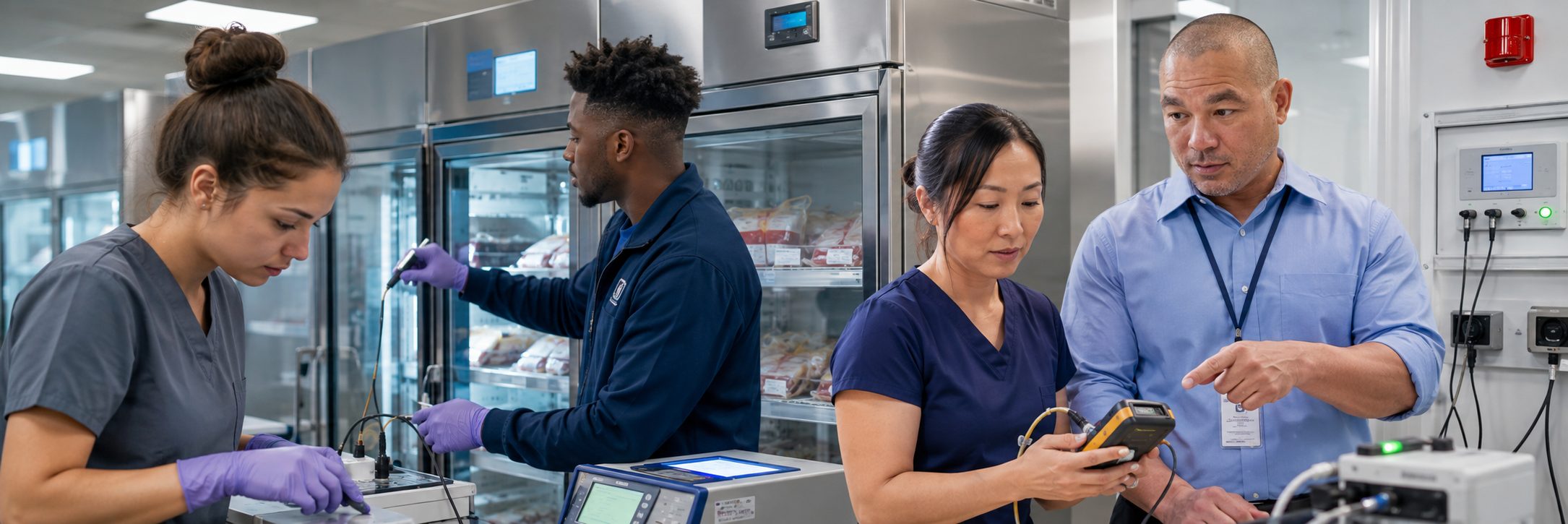
On the electrical side the requirements are specific and easy to schedule against. A line isolation monitor is proved after installation and before service by successively grounding each line of the energised distribution system through a resistor of 200 × V ohms, where V is the measured line voltage; thereafter the test switch is actuated at intervals of not more than one month, extended to not more than 12 months only where the monitor has automated self-test and self-calibration. Both visual and audible alarm must result, and re-testing is called for after any repair or renovation to the system.
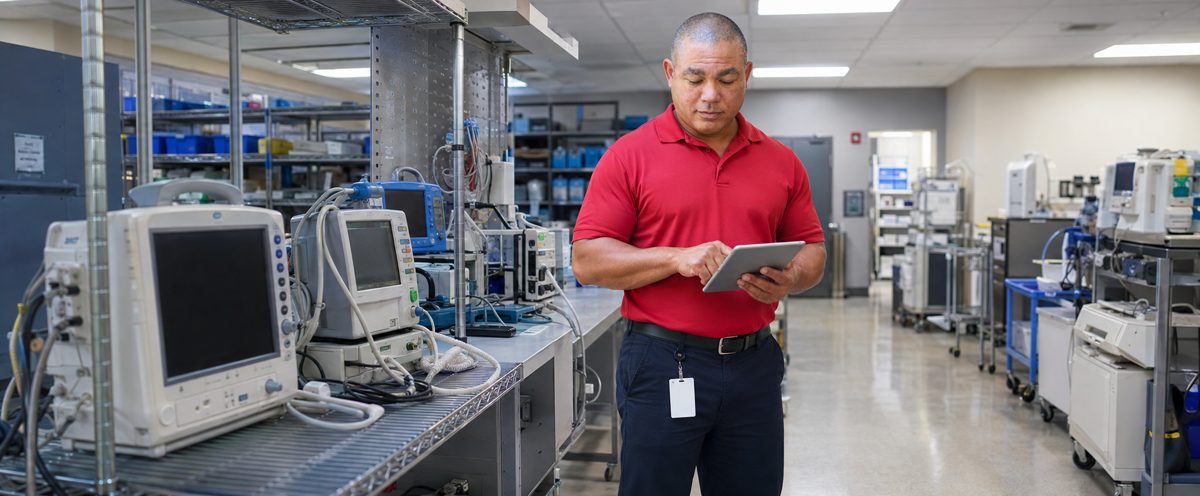
Altitude then adds its own layer, and it is real physics rather than local colour. Reduced barometric pressure changes gas density, which is why manufacturers publish altitude compensation guidance for ventilators, anaesthesia machines and flow-measuring equipment, and why pulse oximetry behaves differently where baseline saturations run lower. None of that is a code requirement — it is a manufacturer-instruction requirement, and CMS expects equipment to be maintained per those instructions unless an eligible, documented risk-based alternative program says otherwise. In Santa Fe, Taos and Los Alamos, 'per manufacturer' is doing more work than it does at sea level.
Sources: NFPA 99; The Joint Commission; NFPA 99 Code Development; CMS S&C 14-07